Surgical Management of Lymphedema
Expert Care for Chronic Lymphatic Swelling
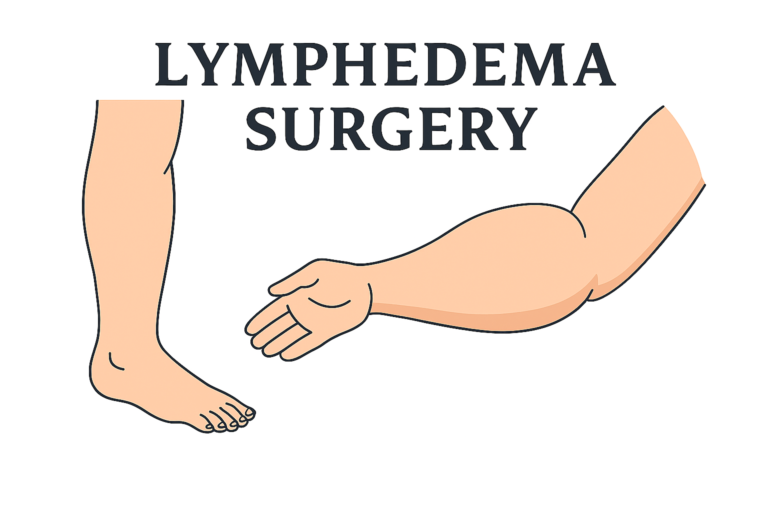
Lymphedema is a chronic condition of localized swelling caused by a compromised lymphatic system, often as a result of cancer treatment. Mr Ahmed Ibrahim provides specialised surgical interventions for patients whose condition is no longer manageable with conservative therapy alone, aiming to reduce limb volume, decrease infection risk, and improve quality of life.
What is Lymphedema?
Lymphedema is an abnormal accumulation of protein-rich fluid in the tissues, leading to swelling, heaviness, fibrosis (hardening), and recurrent infections (cellulitis). It is most commonly secondary to damage from cancer surgery/radiotherapy (e.g., breast, pelvic cancers). It is not caused by simple fluid retention or obesity.
Surgical Treatment Options
Surgery is considered only after exhaustive non-surgical Decongestive Lymphatic Therapy (DLT). Options fall into two categories:
-
Physiological Procedures (Not currently available): Aim to improve lymphatic flow (e.g., Vascularised Lymph Node Transfer (VLNT), Lymphaticovenous Anastomosis (LVA)). These are best for early-stage, fluid-predominant disease.
-
Excisional Procedures: Remove excess solid tissue in advanced, fibrotic disease.
-
Liposuction (Lymphatic-Sparing): Removes solidified fat and fibrosis that has formed due to chronic inflammation. This is a debulking procedure for non-pitting, fibrotic lymphedema.
-
Radical Excision with or without Skin Grafting: The most radical option, removing all skin and subcutaneous tissue down to muscle. Reserved for extreme, disabling cases.
-
The Ideal Candidate for Surgery
You may be considered if you have:
-
A confirmed diagnosis of chronic, stable lymphedema.
-
Stage II (non-pitting, fibrosis present) or Stage III (elephantiasis) disease.
-
Significant functional impairment or recurrent infections despite 6-12 months of optimal conservative care.
-
Realistic expectations that surgery is for control, not cure, and lifelong compression therapy will still be required.
Your Surgical Journey with Mr Ibrahim
-
Multidisciplinary Assessment: Care involves a lymphologist, physiotherapist, and nurse specialist. Imaging (lymphoscintigraphy, MRI) confirms diagnosis and guides treatment choice.
-
Procedure Selection & Planning: Liposuction is for fibrotic debulking; VLNT/LVA are for improving flow in less fibrotic limbs. The Charles procedure is a last resort. Mr Ibrahim will explain the risks, benefits, and relentless need for post-operative compression.
-
Surgery & Recovery:
-
Liposuction: Multiple sessions, tight compression garments worn 24/7 for months.
-
VLNT: Microsurgical transfer of lymph nodes, requiring specialist aftercare.
-
Excisional procedure for debulking: Major surgery with long recovery and significant scarring.
-
-
Long-Term Management: The goal is reduced limb volume, fewer infections, and improved function. Success depends entirely on your commitment to lifelong skin care, compression, and self-management.
Realistic Expectations & Key Considerations
Lymphedema surgery is functional and rehabilitative, not cosmetic. Complications are common and can be severe: chronic wounds, seromas, infections, and nerve damage. These procedures do not restore a normal lymphatic system. The aim is to reduce the burden of disease. NHS funding is highly restricted and often requires an Individual Funding Request (IFR).
Understanding Lipedema: A Distinct Condition
It is crucial to distinguish Lymphedema from Lipedema, a different condition often confused with it.
What is Lipedema?
Lipedema is a painful, genetic fat distribution disorder almost exclusively affecting women. It causes a symmetrical buildup of abnormal, tender fat on the legs and/or arms, often with a disproportionate “bracelet” effect at the ankles/wrists. It is not caused by obesity and does not improve significantly with diet or exercise alone.
Key Differences from Lymphedema:
-
Cause: Lipedema is genetic/hormonal; Lymphedema is acquired (often post-cancer).
-
Swelling: Lipedema is symmetrical, fatty, and tender. Lymphedema often starts asymmetrically (e.g., one arm after breast cancer) and is fluid/fibrosis-based.
-
Feet/Hands: Lipedema typically spares the feet and hands; Lymphedema involves them.
-
Bruising: Lipedema patients bruise very easily; this is less common in pure lymphedema.
Surgical Treatment for Lipedema:
The primary surgical treatment is tumescent liposuction with specialised cannulas to remove the pathological fat cells. This is a therapeutic procedure to reduce pain, improve mobility, and slow disease progression. It requires multiple sessions and is performed only after conservative measures. It is different from debulking liposuction for lymphedema, as the goal is pain relief and contouring rather than reducing established fibrosis.
What are the specific risks of lipedema liposuction?
Risks include:
Bleeding and bruising (common, extensive).
Infection (rare).
Seroma (fluid collections) requiring drainage.
Contour irregularities or asymmetry.
Temporary numbness in treated areas.
Lymphatic injury (rare with skilled technique).
Anaesthesia risks from large-volume fluid infusions.
Is lipedema surgery available on the NHS?
NHS funding is extremely restricted. NHS England has specific commissioning criteria, requiring:
Confirmed diagnosis by a specialist.
Severe pain and functional impairment.
Failure of conservative therapy (compression, MLD, exercise).
Psychological assessment.
Most patients pursue private treatment with experienced surgeons like Mr Ibrahim, as waiting lists are long and approval rates low. An Individual Funding Request (IFR) is usually required for any hope of NHS funding.
Mr Ibrahim’s Approach:
Accurate diagnosis is the first and most critical step. Mr Ibrahim works to correctly identify whether you have lymphedema, lipedema, or a combination of both (lipo-lymphedema), as this fundamentally changes the treatment plan.
FAQ
1. Will I still need to wear compression garments after surgery?
Surgery can improve shadows caused by protruding fat pads, but it cannot change skin pigmentation (true dark circles). Tear trough nanofat grafting or filler or skin treatments may be better for pigment-related darkness.
2. What are the main risks of lymphedema surgery?
Risks vary by procedure but can include:
Flap failure (for VLNT) or anastomosis failure (for LVA).
Seroma (fluid collection) at the surgical site.
Wound healing problems, especially after excisional surgery.
Infection, including cellulitis.
Nerve injury causing numbness or weakness.
Donor site complications (for VLNT).
3. Will surgery cure my lymphedema?
No. There is currently no cure. Surgery is a powerful tool to reduce the burden of disease—decreasing limb volume, improving function, and reducing infection risk. However, you must continue lifelong self-management, including compression garments, skin care, and monitoring.
4. What is lipedema, and how is it different from ordinary fat or obesity?
Lipedema is a genetic, painful fat distribution disorder almost exclusively affecting women. It causes symmetrical, disproportionate fat buildup in the legs and/or arms, sparing the feet and hands. Unlike ordinary fat:
It is tender and painful to touch.
It does not respond significantly to diet or exercise.
It causes easy bruising.
It is a progressive disease, not a lifestyle choice.
5. How can I tell if I have lipedema or just "large legs"?
Key features of lipedema include:
Symmetrical enlargement of both legs (like columns).
A clear “cuff” or “bracelet” at the ankles, where normal feet contrast with swollen legs.
Severe tenderness and pain, even with light pressure.
Easy bruising without known injury.
Fatigue and heaviness in the limbs.
If you have these features, you should seek a specialist assessment.
6. What surgical treatments are available for lipedema?
The primary surgical treatment is tumescent liposuction using specialised, lymphatic-sparing cannulas. This procedure:
Removes the pathological lipedema fat cells.
Reduces pain, tenderness, and limb weight.
Improves mobility and quality of life.
Slows disease progression.
Excisional surgery (skin/tissue removal) is rarely needed and reserved for very advanced, end-stage cases.
7. How many liposuction sessions will I need?
Most patients require 2-4 sessions, staged 3-6 months apart. This allows safe removal of large volumes, gives the body time to heal, and ensures optimal contour results. The exact number depends on disease stage, volume of fat, and your response to each session.
8. IWill the fat grow back after liposuction?
The pathological lipedema fat cells removed are permanently gone. However, any remaining fat cells (including normal fat in the area) can still expand with weight gain. Maintaining a stable weight through healthy lifestyle is essential to preserve your surgical results and prevent progression in untreated areas.