Fat Transfer (Lipomodelling)
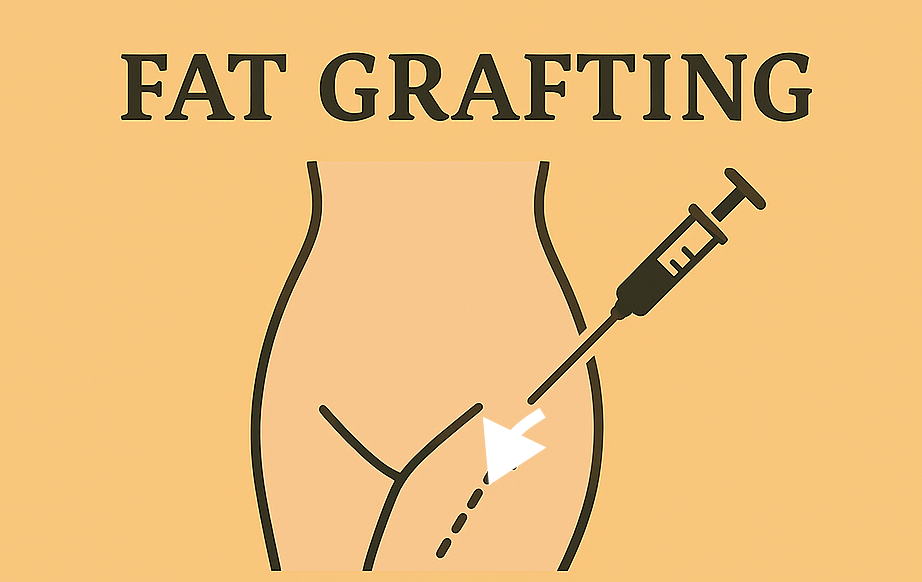
This technique uses your own living fat cells as a natural filler to add volume and improve contours in other areas of the body.
- What it Addresses: Fat is harvested via gentle liposuction, processed, and carefully re-injected. Common uses include facial rejuvenation (cheeks, under-eyes), natural breast augmentation or asymmetry correction, hand rejuvenation, and improving irregularities from other surgeries.
- The Ideal Candidate: You should have a donor site with sufficient fat and a recipient area that would benefit from added volume. It is ideal for patients seeking a subtle, natural enhancement or correction without using synthetic implants.
- The Process & Recovery: The procedure involves two sites: harvesting and injection. Recovery includes the aftercare needed for both. There is usually minimal downtime from the injection sites themselves.
- Realistic Expectations & Key Information: A significant percentage of the transferred fat (30-50%) may not surviveand will be naturally reabsorbed by the body in the first few months. Results can be long-lasting for the fat that establishes a blood supply, but outcomes can be variable, and more than one treatment session is sometimes needed to achieve the desired volume.
FAQ
What are the main advantages over synthetic fillers?
It uses your own natural tissue, so there’s no risk of allergy or rejection. It can feel more natural and provides long-lasting volume where the fat survives.
How long does the transferred fat last?
The fat that establishes a new blood supply (typically 50-70%) is permanent. The rest is absorbed by the body in the first few months.
Why might I need more than one session?
Due to variable fat survival, a second session can be planned to “top up” volume for a more predictable outcome.
Where is the fat taken from?
Common donor sites include the abdomen, flanks, or thighs—areas with unwanted fat deposits suitable for liposuction.
Is it used for breast enlargement?
Yes, for a modest, natural-looking increase or to correct asymmetry. It is not suitable for very large enlargements like implants.
What are the risks at the injection site?
Risks include lumps, oil cysts, calcifications, and under/over-correction. The technique requires precision.
How does recovery compare to liposuction alone?
Recovery involves both the donor and recipient sites, but it is generally well-tolerated with minimal downtime for the injections.
Can it be combined with other procedures?
Very commonly, e.g., with a facelift for volume restoration, with correction of capsular contracture around breast implants for shaping, or with a tummy tuck to use the removed fat.